
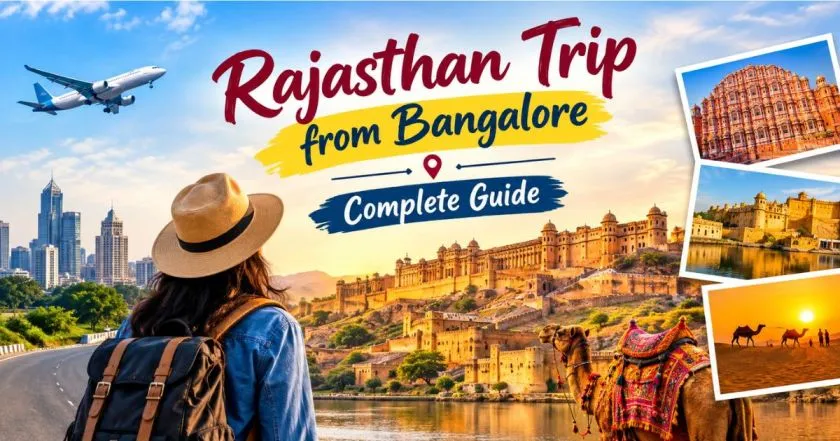
Planning a holiday from Bangalore to Rajasthan is an exciting way to experience a completely different side of India. While Bangalore is known for its modern lifestyle, technology hubs, pleasant weather, and lively cafés, Rajasthan welcomes travellers with magnificent forts, royal palaces, colourful markets, traditional Rajasthani cuisine, and the golden landscapes of the Thar Desert.
For travellers living in Bangalore, a 10-day Rajasthan trip offers enough time to explore the state’s famous destinations without turning the entire holiday into a rushed sightseeing tour. From the pink-coloured streets of Jaipur to the blue houses of Jodhpur, the golden sandstone architecture of Jaisalmer, and the peaceful lakes of Udaipur, every destination offers a different travel experience.
A well-planned itinerary can also include Pushkar, a popular pilgrimage destination known for its sacred lake, Brahma Temple, and relaxed atmosphere. Travellers can enjoy historical sightseeing, local food, shopping, cultural performances, boat rides, desert safaris, and comfortable overnight stays throughout the journey.
The most practical way to organise this trip is to arrive in Jaipur and depart from Udaipur. This open-jaw travel plan helps reduce unnecessary backtracking and allows you to explore Rajasthan in a logical sequence. Depending on your budget, you can travel by train, fly to Rajasthan, hire a private taxi, or combine public transport with local sightseeing services.
This complete guide explains how to plan a 10-day Rajasthan trip from Bangalore, including transport options, a day-by-day itinerary, estimated costs, the best season to visit, packing advice, local food recommendations, and essential travel tips.
Whether you are planning a romantic holiday, a family vacation, a trip with friends, or your first visit to Rajasthan, this guide will help you organise a memorable journey.
How to Reach Rajasthan from Bangalore
The first step in planning your Rajasthan holiday is choosing the right way to reach the state. Bangalore is well connected to major Indian cities by air and rail, but your choice of transport can affect both your budget and the time available for sightseeing.
For a 10-day holiday, flying is generally the most convenient option. Train travel may suit budget-conscious travellers who are comfortable spending additional time in transit.
(i) By Air: The Fastest Way to Reach Rajasthan
Flying from Kempegowda International Airport (BLR) is usually the best choice if you want to make the most of your holiday. Jaipur and Udaipur are two useful entry and exit points for this itinerary.
Bangalore to Jaipur
Jaipur International Airport (JAI) is a convenient arrival point for travellers who want to begin their journey with Rajasthan’s historic forts, palaces, and markets. From the airport, you can arrange a prepaid taxi, app-based cab where available, or a hotel transfer to reach your accommodation.
A direct flight, when available for your selected date, generally takes around two and a half to three hours. Connecting flights may take considerably longer. Check the current airline schedule before booking, as routes and departure times can change.
Arriving in Jaipur also gives you the flexibility to start sightseeing at a comfortable pace instead of spending the first day travelling across Rajasthan.
Bangalore to Udaipur
Maharana Pratap Airport (UDR), which serves Udaipur, is another option. It can be useful if you want to follow the itinerary in reverse, starting with the City of Lakes and ending in Jaipur.
Direct services may not be available on every date, so compare direct and connecting options before finalising your travel plan.
The Best Flight Strategy: Arrive in Jaipur and Depart from Udaipur
For the itinerary covered in this guide, the recommended arrangement is:
- Arrival: Bangalore (BLR) to Jaipur (JAI).
- Departure: Udaipur (UDR) to Bangalore (BLR).
This approach allows you to travel from Jaipur towards Pushkar, Jodhpur, Jaisalmer, and finally Udaipur. You do not need to return to Jaipur just to catch your flight home.
When comparing airfares, check the total cost of both one-way flights against a return ticket. An open-jaw booking can save road travel time, although its airfare may sometimes be higher. Consider baggage allowances, airport transfers, and flight timings before deciding.
For the best results, book flights after confirming your approximate itinerary and hotel dates. If you are travelling during the winter holiday season, booking early can help you find more suitable departure times and accommodation options.
(ii) By Train: A Budget-Friendly Alternative
Travelling by train from Bangalore to Rajasthan can be a practical option for people who prefer rail journeys or want to reduce their transportation expenses.
Jaipur is connected to various parts of India through long-distance trains. Depending on the operating timetable, train options associated with Bangalore and Jaipur may include services such as the Yesvantpur–Jaipur Express (JP YPR Express). Other train names and routes sometimes mentioned in travel searches may serve different cities or run on different days, so confirm the exact service before booking.
A train journey from Bangalore to Jaipur can take approximately 38–42 hours or longer, depending on the service, route, and schedule. Travel time is not fixed across all trains.
Advantages of travelling by train
- It may cost less than flying, particularly when you book a suitable sleeper or other affordable class.
- You can avoid some airport-related expenses.
- Overnight travel allows you to sleep during part of the journey.
- It can be a comfortable option for travellers who enjoy long-distance train journeys.
Things to consider
The main disadvantage is the time required. A journey lasting nearly two days can reduce the amount of time available for sightseeing if your total holiday is limited to 10 calendar days.
If you choose the train, consider adding travel days outside your sightseeing itinerary or accepting a shorter stay in Rajasthan. You should also compare train availability to Jaipur, Ajmer, or other suitable railway stations based on your route.
Book through the official Indian Railways reservation system or an authorised booking channel, and check the latest schedule, boarding station, destination station, and ticket status before departure.
(iii) Should You Choose a Flight or a Train?
For a 10-day Rajasthan trip, a flight is usually the better choice for travellers who want to visit four or five destinations without rushing. A train may be more suitable if your budget is the priority and you have extra days available.
You can also combine the two options. For example, you could fly from Bangalore to Jaipur and use trains or taxis for travel within Rajasthan, then fly back from Udaipur.
Whichever option you select, try to keep your arrival and departure arrangements consistent with your sightseeing route. A little planning at this stage can save several hours of unnecessary travel later.
Day-by-Day 10-Day Rajasthan Trip Itinerary
A good Rajasthan itinerary should balance sightseeing with travel time. The state is large, and travelling between its major cities can take several hours. Instead of visiting too many places in a single day, plan your route around the distances between destinations and allow time to enjoy each location.
The following itinerary follows this route:
Jaipur → Ajmer and Pushkar → Jodhpur → Jaisalmer → Ranakpur → Udaipur
It includes historic landmarks, religious sites, desert experiences, local markets, and lakeside attractions.
Day 1: Arrival in Jaipur – Explore the Pink City
Your Rajasthan adventure begins in Jaipur, the capital of the state and one of India’s most recognisable heritage destinations. The city is known for its historic architecture, bustling bazaars, traditional crafts, and royal heritage.
After arriving from Bangalore, transfer to your hotel and complete the check-in process. If you arrive early, you can begin sightseeing after a short rest. If your flight arrives late, keep the first day light and avoid booking too many activities.
Visit Birla Mandir
Birla Mandir is a beautiful white-marble temple dedicated to Lord Vishnu and Goddess Lakshmi. Its peaceful surroundings make it a pleasant place to visit after travelling. The architecture and detailed marble work offer a different experience from Jaipur’s sandstone forts and palaces.
Check the temple’s current visiting hours before planning your visit.
Experience Rajasthan at Chokhi Dhani
In the evening, consider visiting Chokhi Dhani, a themed cultural village that presents elements of traditional Rajasthani hospitality and entertainment. Depending on the programme available, visitors can enjoy folk performances, traditional décor, cultural activities, and a Rajasthani meal.
It can be a good introduction to the region’s culture, especially for first-time visitors from Bangalore. However, it is located outside the central sightseeing area, so account for travel time and the time required to enjoy the experience.
If you prefer a quieter evening, visit a local restaurant and explore a nearby market instead.
Where to stay: Jaipur city centre or an area with convenient access to your planned sightseeing.
Travel tip: Keep your first day flexible. Flight delays, airport transfers, and hotel check-in can affect your schedule.
Day 2: Jaipur Local Sightseeing
Dedicate the second day to Jaipur’s most famous architectural landmarks. Starting early is helpful because several attractions become busy later in the morning.
1. Amber Fort
Amber Fort, also known as Amer Fort, is one of Jaipur’s most important historical attractions. Located on a hill overlooking Maota Lake, the complex features courtyards, decorative gateways, palace rooms, and intricate architectural details.
Allow enough time to explore the fort rather than rushing through its main areas. Comfortable walking shoes are recommended because the complex involves walking on uneven surfaces, stairs, and sloping paths.
2. Jal Mahal
Jal Mahal is a picturesque palace located in the middle of Man Sagar Lake. It is especially attractive for photography, with the surrounding hills creating a scenic background.
Visitors generally enjoy the view from the lakeside rather than assuming that the palace interior is open for regular public visits. Plan a short stop for photographs and continue towards the old city.
3. Hawa Mahal
Hawa Mahal, or the Palace of Winds, is one of Jaipur’s best-known landmarks. Its distinctive façade features rows of small windows designed as part of the royal architectural complex.
The building is particularly popular for photography. You can admire the exterior from the street or explore the interior where permitted. Visiting earlier in the day may help you avoid some of the crowds.
4. City Palace
City Palace offers a closer look at Jaipur’s royal history through its courtyards, decorative entrances, galleries, and palace architecture. The complex contains different sections, and access may depend on the ticket category.
If you enjoy history and design, give this attraction sufficient time rather than treating it as a quick photo stop.
5. Jantar Mantar
Jantar Mantar is a historic astronomical observatory featuring large instruments designed to measure celestial positions and time. Its scientific purpose makes it different from the city’s palaces and forts.
A guide can help explain how the instruments were used and why the observatory is historically significant.
Evening activities
Finish your day by exploring Jaipur’s traditional markets. Johari Bazaar is known for jewellery, while Bapu Bazaar offers textiles, footwear, souvenirs, and other locally made items.
You can also try pyaaz kachori, traditional sweets, or a local thali for dinner.
Where to stay: Jaipur for the second night.
Travel tip: Confirm monument opening hours, ticket prices, and any weekly closures before travelling. Avoid trying to visit every attraction in the city in a single day.
Day 3: Jaipur to Ajmer and Pushkar
On Day 3, leave Jaipur and travel towards Ajmer and Pushkar. This combination introduces you to Rajasthan’s religious heritage, local traditions, and a more relaxed atmosphere outside the capital.
The road journey from Jaipur to Ajmer is approximately 130–140 kilometres, depending on the route and starting point. Continuing to Pushkar adds another short drive. The combined distance and total travel time depend on your sightseeing stops and traffic.
Visit Ajmer Sharif Dargah
Ajmer Sharif Dargah is one of the most important Sufi pilgrimage destinations in India. Dedicated to the revered Sufi saint Khwaja Moinuddin Chishti, it attracts visitors from different communities and backgrounds.
The area around the shrine can be crowded, particularly during religious occasions. Dress respectfully, follow local instructions, and keep personal belongings secure. Check any current entry arrangements before your visit.
If you are travelling with elderly family members or children, allow additional time for walking through the busy surrounding streets.
Continue to Pushkar
After Ajmer, continue to Pushkar, a town known for its sacred lake, temples, ghats, and peaceful atmosphere.
Pushkar offers a noticeable change from Jaipur’s busy streets. It is popular with pilgrims, photographers, international travellers, and people looking for a relaxed evening.
Brahma Temple
Pushkar’s Brahma Temple is among the town’s best-known religious attractions. It is associated with Lord Brahma and holds an important place in Hindu tradition.
Observe temple customs and check the current rules for visitors. Photography restrictions may apply in religious spaces.
Pushkar Lake and the Ghats
Spend time around Pushkar Lake and its surrounding ghats. The area is particularly atmospheric in the early morning and evening, when visitors gather for prayer and quiet reflection.
Be respectful of religious activities and follow any instructions given at the ghats. If someone offers a ritual or service, clarify any expected payment before agreeing.
Explore Pushkar’s local market
The town’s market streets offer handicrafts, clothing, jewellery, souvenirs, and cafés. This is a good place to browse at a slower pace after visiting Ajmer.
Where to stay: Pushkar.
An overnight stay in Pushkar is worthwhile because it lets you enjoy the town in the evening rather than returning to Jaipur after sightseeing.
Travel tip: If you are travelling during a major festival or the Pushkar Fair, expect more visitors, higher accommodation demand, and possible traffic restrictions.
Day 4: Pushkar to Jodhpur – Discover the Blue City
Leave Pushkar in the morning and travel to Jodhpur, often called the Blue City because of the blue-painted houses found in parts of its old town.
The road distance is approximately 185–200 kilometres, depending on the route. A drive of around four hours is a reasonable planning estimate, although traffic and stops can extend the journey.
After arriving in Jodhpur, check in to your hotel and begin exploring the city’s historic attractions.
Mehrangarh Fort
Mehrangarh Fort is the highlight of Jodhpur. Built on a rocky hill, it overlooks the old city and provides panoramic views of the surrounding blue and sandstone-coloured buildings.
Inside the complex, you can explore historic courtyards, galleries, decorative architecture, and displays relating to the region’s royal past. The fort’s elevated position also makes it a popular photography destination.
Wear comfortable footwear and carry water, especially if you are visiting during warmer weather. If you want to understand the fort’s history in greater depth, consider a reliable guide or an available audio guide.
Jaswant Thada
Jaswant Thada is a marble memorial near Mehrangarh Fort. Its peaceful surroundings, delicate stonework, and attractive setting make it a worthwhile addition to your itinerary.
The visit is usually shorter than a full fort exploration, so it can fit comfortably into the afternoon.
Clock Tower and Sardar Market
In the evening, head towards Ghanta Ghar, Jodhpur’s Clock Tower, and the surrounding Sardar Market. The busy market is a good place to observe everyday local life and shop for spices, textiles, handicrafts, and souvenirs.
Try local snacks while exploring, but choose food stalls with good hygiene practices and a steady flow of customers.
If time permits, you can also walk through selected lanes of the old city to see the traditional blue-painted houses.
Where to stay: Jodhpur, preferably somewhere with convenient access to the old city or your next day’s departure route.
Travel tip: Avoid scheduling too many additional attractions on your arrival day. Mehrangarh Fort and the nearby memorial already make a rewarding sightseeing combination.
Day 5: Jodhpur to Jaisalmer – Enter the Golden City
Day 5 takes you west towards Jaisalmer, the Golden City of Rajasthan. The landscape gradually becomes more arid, and the region’s golden sandstone architecture reflects its desert setting.
The road journey from Jodhpur to Jaisalmer is approximately 280–300 kilometres. Plan for around five hours of driving, with additional time for breaks and traffic.
Leave after breakfast to reach Jaisalmer with enough time for sightseeing.
Jaisalmer Fort (Sonar Qila)
Jaisalmer Fort, popularly known as Sonar Qila or the Golden Fort, is one of the city’s defining landmarks. Built from golden-yellow sandstone, it appears to blend with the surrounding desert landscape.
Unlike many forts that function primarily as historic monuments, Jaisalmer Fort contains residential areas, shops, temples, cafés, and guesthouses. This gives visitors an opportunity to see how heritage architecture remains part of everyday urban life.
Explore its narrow lanes respectfully, as people continue to live and work within the fort. Avoid blocking residential entrances or entering private spaces for photographs.
Patwon Ki Haveli
Patwon Ki Haveli is a prominent historic mansion complex known for its carved sandstone façades, balconies, and architectural detailing. It offers insight into the wealth and craftsmanship associated with Jaisalmer’s historic merchant communities.
Allow time to appreciate the stonework and explore the accessible sections.
Gadisar Lake
Finish the day at Gadisar Lake, a historic water reservoir surrounded by temples, gateways, and other structures. The setting is particularly attractive around sunset, although the actual sunset view depends on the season, weather, and your position around the lake.
A boat ride may be available depending on operating conditions. Check locally before making it part of your plan.
Where to stay: Jaisalmer city.
For this night, staying in the city is convenient because you can explore the fort and nearby attractions without having to travel back from a desert camp.
Travel tip: Buy water before starting the journey from Jodhpur and keep some snacks in the car. Carry sun protection even during winter, as the desert sun can feel strong during the day.
Day 6: Jaisalmer Desert Experience at Sam Sand Dunes
Day 6 is one of the most memorable parts of a Rajasthan holiday. After exploring forts and historic towns, you can experience the desert landscapes near Sam Sand Dunes.
Plan a relaxed morning in Jaisalmer before travelling towards the desert. Depending on your interests, you can visit a historic village, enjoy a local lunch, and then continue towards your desert camp.
Visit Kuldhara Village
Kuldhara is a historic abandoned village near Jaisalmer. It is often associated with local legends and stories about its former residents.
The village is an interesting stop for people who enjoy history, architecture, and desert landscapes. However, descriptions of it as a haunted place are part of local folklore rather than established historical evidence.
Visit during permitted hours, follow site regulations, and avoid entering restricted or unsafe structures.
Travel to Sam Sand Dunes
Sam Sand Dunes is a popular area for experiencing the Thar Desert. Many visitors book an evening desert package that combines transport, camel rides, entertainment, dinner, and overnight accommodation.
Choose a reputable operator and confirm what your package includes before paying. Desert camps vary considerably in facilities, location, entertainment programmes, and service quality.
Camel safari at sunset
A camel safari provides a traditional way to experience the desert landscape. An evening ride can offer attractive views of the dunes as the light changes towards sunset.
The length and route of the ride depend on the operator and package. Follow the guide’s instructions and choose an option suitable for your comfort level.
Jeep safari
Some operators also offer four-wheel-drive jeep safaris. These can provide a more adventurous way to explore selected desert areas.
Use a licensed or reputable operator, follow safety instructions, and wear your seat belt where provided. Confirm whether the activity is included in your camp package or charged separately.
Folk performances and a traditional dinner
Many desert camps arrange Rajasthani folk music and dance performances in the evening. The programme may include traditional costumes, regional music, and cultural entertainment.
Dinner commonly includes a selection of regional dishes, although the menu varies by camp and package category. If you have dietary requirements, inform the operator in advance.
Overnight luxury or standard camp stay
Staying overnight at a desert camp allows you to enjoy the desert after most day visitors have departed. Accommodation ranges from simple tents to premium camps with private bathrooms and additional facilities.
Before booking, confirm:
- Whether a private bathroom is available.
- Whether hot water and heating arrangements are provided.
- Whether meals and cultural performances are included.
- How far the camp is from the dunes.
- Whether transfers and safari activities are part of the package.
Where to stay: A desert camp near Sam Sand Dunes.
Travel tip: Desert nights can be cold during winter, even when afternoons are pleasant. Bring warm clothing and avoid assuming that every camp provides the same level of comfort.
Day 7: Jaisalmer to Udaipur via Ranakpur
Day 7 is the longest road-travel day in this itinerary. You will leave the desert region and travel towards Udaipur, with a possible stop at Ranakpur Jain Temple.
The overall distance can be around 450–500 kilometres or more, depending on the route and detours. A journey lasting eight to nine hours is a reasonable estimate for planning, but the Ranakpur visit, road conditions, and breaks may extend the day.
Because of the distance, start early and arrange your transport in advance.
Stop at Ranakpur Jain Temple
Ranakpur Jain Temple is famous for its intricate marble architecture, detailed pillars, and elaborate craftsmanship. The temple complex is an important destination for visitors interested in religious heritage and historical architecture.
Check the current visitor timings, entry requirements, and rules concerning photography before your arrival. Dress respectfully and allow enough time for the visit.
If you are travelling by private taxi, confirm with the driver or travel operator that the Ranakpur stop is included in the agreed route and price.
Continue to Udaipur
After your visit, continue towards Udaipur, known as the City of Lakes. Depending on your arrival time, check into your hotel and enjoy a relaxed dinner.
Avoid adding a full sightseeing programme after this long drive. Resting well will make the following day’s exploration more enjoyable.
Where to stay: Udaipur, ideally in an area with convenient access to the old city or your preferred lakeside attractions.
Important planning note: If you are travelling with young children, elderly family members, or anyone who finds long road journeys tiring, consider spending an additional night in Jaisalmer or adjusting the route. You could also skip the Ranakpur stop or explore a different transport arrangement. A realistic schedule is more valuable than fitting in every attraction.
Day 8: Udaipur Sightseeing – Discover the City of Lakes
Udaipur offers a refreshing contrast to the desert cities of Rajasthan. Its lakes, palaces, gardens, and narrow old-city lanes make it an excellent destination for a slower day of sightseeing.
Start after breakfast and keep enough time for the city’s main attractions.
City Palace
Udaipur City Palace is one of the city’s most prominent heritage complexes. Overlooking Lake Pichola, it combines courtyards, balconies, galleries, decorative rooms, and architectural elements developed over different periods.
The complex can take several hours to explore, depending on your interest in its museums and historic interiors. Consider visiting early enough to avoid rushing through the experience.
Lake Pichola boat ride
A boat ride on Lake Pichola is among Udaipur’s most popular activities. From the water, you can enjoy views of palaces, lakeside buildings, and the surrounding hills.
Some boat services include routes that offer views of Jag Mandir or other lakeside landmarks, but stops and access depend on the service booked and operating conditions.
Check the current departure point, ticket price, operating hours, and weather conditions before planning your ride. Sunset services can be popular, so advance booking may be useful during busy periods.
Jag Mandir
Jag Mandir is a historic island palace on Lake Pichola. Its architectural setting and waterfront location make it an attractive feature of the lake experience.
Access arrangements depend on the boat service and current visitor rules. If your selected boat package includes a stop, allow sufficient time before returning to the city.
Saheliyon Ki Bari
Saheliyon Ki Bari is a historic garden known for its landscaped grounds, fountains, and decorative features. It offers a quieter experience after visiting the city’s busier palace areas.
The garden is a useful stop for visitors interested in historic landscape design and photography.
Explore the old city
In the evening, walk through selected lanes around Udaipur’s old city. You can browse local handicrafts, paintings, textiles, jewellery, and souvenirs.
Choose a restaurant with views of Lake Pichola if you would like a scenic dinner. Confirm the restaurant’s current opening hours and, if necessary, reserve a table.
Where to stay: Udaipur.
Travel tip: Lake activities are affected by weather and operating schedules. Keep a little flexibility in your plans instead of depending on a particular boat departure.
Day 9: Udaipur Culture, Sunset Views, and Shopping
Use your ninth day to enjoy Udaipur’s cultural attractions and shopping opportunities without rushing between too many sites.
After breakfast, explore local craft shops or visit an attraction you missed the previous day. You can also take a relaxed walk through the old city and stop at cafés or local markets.
Sajjangarh (Monsoon Palace)
Sajjangarh, commonly called the Monsoon Palace, stands on a hill overlooking Udaipur and the surrounding landscape. It is particularly popular for its elevated views, especially in the late afternoon.
If you want to visit around sunset, check the current opening and last-entry times. Allow enough time for the journey uphill and any return transport arrangements.
The view can vary with weather and visibility, so a sunset visit is best treated as an opportunity rather than a guarantee of clear skies.
Bagore Ki Haveli and the Dharohar folk dance show
Bagore Ki Haveli is a historic haveli near Lake Pichola. Depending on the current programme, visitors can explore the heritage building and attend the Dharohar cultural performance, which presents regional music and folk dance.
The evening show is popular, so check its current schedule and ticket availability. Arrive early enough to find your seat without rushing.
This experience can be a fitting way to conclude your Rajasthan holiday because it brings together traditional music, dance, costumes, and local storytelling.
Shopping for Rajasthani handicrafts
Udaipur is known for its miniature paintings, textiles, silver jewellery, traditional accessories, and decorative handicrafts. Browse different shops before making expensive purchases, and ask about the material, craftsmanship, and care requirements of any item you buy.
If you plan to bring home fragile items, request suitable packaging for the journey back to Bangalore.
Enjoy a final Rajasthani dinner
For your last evening, choose a restaurant serving regional dishes or a traditional thali. If you prefer lighter food, Udaipur also has cafés and restaurants offering a range of Indian and international cuisines.
Use this evening to review your departure arrangements and pack your luggage.
Where to stay: Udaipur for the final night.
Travel tip: Keep the evening flexible and avoid shopping too late if you have an early flight the next morning.
Day 10: Departure from Udaipur to Bangalore
Your final day is reserved for returning to Bangalore. After breakfast, check out of your hotel and transfer to Maharana Pratap Airport (UDR) for your flight.
If your flight departs early, arrange the airport transfer in advance and confirm your airline’s check-in requirements. If your flight is later in the day, you may have time for breakfast or a short walk near your accommodation, provided you leave enough time to reach the airport.
Before departing, check that you have:
- Your flight tickets and identification documents.
- All luggage, electronics, chargers, and personal belongings.
- Any souvenirs packed securely.
- Your hotel bills and transport arrangements settled.
- Enough time to reach the airport.
A Jaipur-to-Udaipur itinerary works particularly well because you finish your journey in a different city from where you started. This helps you avoid spending the final day travelling back across the state.
If flights from Udaipur are expensive or do not suit your schedule, compare alternatives before booking the rest of your trip. Changing the departure city can affect your route, so decide early rather than making a last-minute adjustment.
Estimated Cost and Budget Breakdown for a Rajasthan Trip from Bangalore
Your total Rajasthan trip cost depends on the travel season, flight prices, hotel category, transport method, meals, sightseeing tickets, and the number of people sharing accommodation or a taxi.
The following estimates are intended as planning ranges rather than guaranteed package prices. They assume a 10-day holiday with nine nights of accommodation, travel between the main destinations, meals, and ordinary sightseeing expenses. Actual costs may differ depending on your dates and booking choices.
A. Budget Trip: ₹20,000–₹28,000 per Person
A budget trip is possible for travellers who plan carefully, use affordable accommodation, and share transport costs.
Typical arrangements may include:
- Sleeper-class or another economical train option, depending on availability.
- Budget hotels, hostels, or simple guesthouses.
- Shared transfers or public transport where practical.
- Affordable local restaurants and street-food stops.
- Selective sightseeing rather than paid activities at every attraction.
- A standard desert camp package, booked after comparing inclusions.
This budget can be difficult to maintain if it must cover expensive flights, a private taxi for the entire route, and premium desert accommodation. Travellers should therefore decide whether their budget includes all Bangalore-to-Rajasthan travel costs before comparing packages.
For solo travellers, accommodation and transport can represent a larger share of the total. Couples and groups may be able to share room and vehicle expenses more efficiently.
B. Mid-Range or Comfort Trip: ₹35,000–₹50,000 per Person
This is a reasonable target range for travellers seeking a comfortable balance between convenience and cost.
A typical trip may include:
- Return or open-jaw flights, depending on the selected dates and fare.
- Comfortable three-star or selected four-star hotels.
- A private sedan or shared transport arrangement for intercity travel.
- Comfortable local sightseeing.
- A desert camp with meals and selected activities.
- Restaurant meals, monument tickets, and some shopping expenses.
However, a private taxi covering the entire route can make a substantial difference to the total cost, especially for one or two travellers. Compare the full vehicle price with the per-person cost of shared transfers before making a decision.
If you are travelling as a family or group, a private vehicle may provide more flexibility and make it easier to manage luggage and sightseeing stops.
C. Luxury Trip: ₹75,000 or More per Person
A luxury Rajasthan holiday is suitable for travellers who want premium accommodation, personalised service, and a more exclusive travel experience.
Possible inclusions include:
- Convenient flight timings or premium cabin options where available.
- Heritage hotels, luxury resorts, or five-star accommodation.
- A private vehicle with an agreed itinerary.
- Premium desert camps with upgraded facilities.
- Special dining experiences and curated cultural activities.
- Private guides or personalised sightseeing arrangements.
The final price can exceed ₹75,000 per person, particularly during peak season or when staying at expensive heritage properties. Luxury packages may also exclude some activities, meals, or airfare, so always check the inclusions.
Sample Expense Categories
| Expense category | Budget approach | Comfort approach |
|---|---|---|
| Bangalore–Rajasthan flights or train | Economical train or low-fare flight if available | Flights with convenient timings |
| Accommodation | Hostels, guesthouses, budget hotels | Three-star or selected four-star hotels |
| Intercity travel | Shared transport and selected buses or trains | Private sedan or SUV |
| Food | Local eateries and affordable meals | Mix of local restaurants and comfortable dining |
| Sightseeing | Main attractions and selected paid activities | More paid attractions, guides, and experiences |
| Desert stay | Standard camp package | Upgraded camp or premium tent |
| Shopping and extras | Limited discretionary spending | Larger allowance for shopping and experiences |
How to Save Money Without Reducing the Experience
Book flights and hotels strategically. Compare prices across several dates if your travel schedule is flexible. Weekends, festivals, and winter holidays can increase demand.
Travel with a group. A private taxi may become more economical per person when its cost is shared among several travellers.
Compare complete taxi quotes. Ask whether the price includes fuel, driver allowance, tolls, parking, state taxes where applicable, and the return or repositioning journey. Clarify whether the driver will wait during sightseeing and whether overnight allowances apply.
Choose accommodation by location. A reasonably priced hotel near your sightseeing area can reduce local transport costs and save time.
Reserve desert accommodation early. Compare what is included in each camp package instead of choosing solely on the advertised price.
Keep shopping separate from the core budget. Handicrafts and souvenirs can add up quickly, so decide how much you want to spend before visiting busy markets.
A useful rule is to keep an emergency allowance for unexpected transport changes, additional meals, and small expenses. A realistic budget should cover both planned activities and occasional surprises.
Best Time to Visit Rajasthan from Bangalore
The best season for a Rajasthan holiday is generally October to March. During these months, daytime conditions are often more comfortable for exploring forts, walking through old markets, and taking desert trips.
However, weather varies across the state, and winter nights in desert areas can be much colder than daytime temperatures. Check destination-specific forecasts close to your travel dates.
October to November: Pleasant Weather and Festive Atmosphere
October and November are popular months for visiting Rajasthan as the intense summer heat usually begins to ease.
This period can be suitable for exploring Jaipur’s forts, visiting Pushkar, discovering Jodhpur’s old city, and enjoying Jaisalmer’s desert activities.
The Pushkar Fair generally takes place around the Kartik period, although its dates change each year. If you plan to visit during the fair, reserve accommodation and transport early because demand can rise substantially.
Festival dates and local events can also affect prices and crowd levels elsewhere in Rajasthan.
December to February: Ideal for Desert Experiences
Winter is an excellent choice for travellers who want to combine sightseeing with an overnight desert camp.
Daytime weather is often comfortable, while evenings and early mornings can be cold, especially around Jaisalmer and Sam Sand Dunes. Pack warm layers and check whether your camp provides suitable bedding and heating arrangements.
December and January can be particularly busy around popular holidays. Booking hotels, transport, and cultural activities in advance can reduce last-minute stress.
March: A Good Alternative
March can be a useful option for travellers seeking a winter-to-summer transition. Early March may offer comfortable sightseeing conditions, but temperatures generally begin to rise as the month progresses.
If your itinerary includes long walks or desert activities, plan them earlier in the day and carry sufficient water.
April to June: Prepare for Extreme Heat
Summer can be challenging in Rajasthan, with temperatures in many places reaching or exceeding 40°C during hot periods. The intensity varies by city and date.
Travelling during these months is possible, but it requires additional precautions. Visit outdoor attractions early, avoid strenuous midday activities, stay hydrated, and choose accommodation with reliable cooling facilities.
A desert safari in peak heat may be less comfortable than the same experience in winter.
July to September: Monsoon and Changing Conditions
The monsoon season can bring changing weather and occasional rainfall. Some landscapes may appear greener, but humidity, road conditions, and outdoor activity schedules can be less predictable.
Udaipur and parts of southern Rajasthan can be attractive during this season, although lake levels, visibility, and travel conditions vary.
If you plan to visit during the monsoon, keep some flexibility in your schedule and confirm that your chosen attractions and outdoor activities are operating.
Overall recommendation: For a first 10-day Rajasthan trip from Bangalore, consider late October through February, subject to your preferred events, budget, and weather conditions.
Packing and Food Tips for Travellers from Bangalore
Bangalore’s generally moderate climate can feel very different from Rajasthan’s hot afternoons and cold desert nights. Packing for changing conditions will help you stay comfortable throughout the trip.
Essential Packing Checklist
1. Clothing for changing temperatures
Pack breathable cotton clothing for daytime sightseeing. During winter, carry a warm jacket, a sweater, and comfortable long trousers. If you are staying at a desert camp, add an extra warm layer for late evening and early morning.
Lightweight clothing is useful during the day, but respectful attire is recommended at temples, mosques, and other religious sites.
2. Comfortable walking shoes
Your itinerary includes forts, palaces, gardens, markets, and historic lanes. Many sites involve stairs, uneven surfaces, or considerable walking, so supportive footwear is more useful than fashionable but uncomfortable shoes.
Sandals can be useful for relaxed evenings, but avoid relying on them for every sightseeing activity.
3. Sun protection
Carry sunscreen, sunglasses, a cap or hat, and a reusable water bottle. The sun can feel strong even during winter, particularly when walking around open forts or visiting the desert.
4. Personal medication and basic supplies
Bring any regular medication you use, along with a small personal first-aid kit. Keep essential items in your hand luggage rather than placing everything in checked baggage.
5. Travel documents and electronics
Carry identification, confirmed bookings, flight or train details, chargers, and a power bank. Download maps and booking information in advance in case your mobile connection becomes unreliable.
6. A small day bag
A compact bag is useful for carrying water, sunscreen, a light jacket, and other essentials during sightseeing. Keep valuables secure in crowded markets and pilgrimage areas.
Must-Try Rajasthani Foods
Food is an important part of experiencing Rajasthan. Each city offers its own mix of traditional dishes, snacks, sweets, and regional cooking styles.
Dal Baati Churma
This iconic Rajasthani combination features lentils, baked wheat baati, and sweet churma. It is filling and widely associated with the state’s traditional cuisine.
Ker Sangri
Ker sangri is a regional preparation made using desert-grown berries and beans. It is often cooked with spices and makes an interesting choice for travellers who want to try a distinctive local dish.
Laal Maas
Laal Maas is a well-known spicy meat curry traditionally associated with Rajasthani cuisine. Recipes vary, and some versions can be very hot, so ask about the spice level when ordering.
Vegetarian travellers will find plenty of alternatives across the main cities.
Ghevar
Ghevar is a traditional Rajasthani sweet, particularly associated with festive occasions. It is worth trying at a reputable sweet shop, especially if you enjoy rich desserts.
Pyaaz Kachori
Pyaaz kachori is a popular savoury snack filled with spiced onion. It is a good breakfast or tea-time option in Jaipur and other parts of the state.
Other dishes worth exploring include gatte ki sabzi, Rajasthani thali, mirchi vada, and local sweets.
Will You Find South Indian Food in Rajasthan?
Yes. Travellers from Bangalore can generally find South Indian food in larger cities such as Jaipur, Jodhpur, and Udaipur.
Restaurants serving dosa, idli, vada, and other familiar dishes are available in many urban areas. However, choices may be more limited near remote desert camps or smaller destinations.
If you prefer familiar food for breakfast, search for nearby restaurants when selecting your hotel. Families travelling with children or people following a specific diet may find it helpful to check menus in advance.
Food and Hydration Tips
Drink water from sealed bottles or reliable drinking-water sources, particularly during hot weather. Choose freshly prepared food from establishments with good hygiene standards.
If you are not accustomed to very spicy food, start with milder dishes and ask the restaurant to adjust the seasoning. Travellers with allergies or dietary restrictions should communicate them clearly before ordering.
A balanced approach is to enjoy regional specialities while keeping some familiar food options available for long travel days.
Important Travel Tips and Things to Avoid
A well-planned itinerary is only one part of a successful Rajasthan holiday. Transport arrangements, hotel locations, realistic travel times, and awareness of local customs can make a substantial difference to the overall experience.
1. Book Intercity Cabs in Advance
Your itinerary involves several road journeys, including Pushkar to Jodhpur, Jodhpur to Jaisalmer, and Jaisalmer to Udaipur.
If you want a private taxi, obtain a written quote and confirm the vehicle type, luggage capacity, route, and expected travel time. A sedan may suit couples with light luggage, while a larger vehicle can be more comfortable for families or groups.
Clarify what the fare includes. Fuel, tolls, parking, driver allowances, interstate or state taxes where applicable, and overnight charges can affect the final amount.
Avoid relying on a vague verbal price that does not specify the trip’s complete cost.
2. Select a Reliable Travel Agency
If you prefer a packaged trip, compare agencies based on the quality of their itinerary, written inclusions, cancellation terms, and customer support.
Ask whether the package includes airport transfers, monument tickets, meals, a desert camp, safari activities, and local sightseeing. Do not assume that every advertised package includes all these services.
Read the terms carefully before paying an advance, and keep the booking confirmation and payment receipt.
3. Reserve Desert Camps During Peak Season
Jaisalmer’s desert camps can experience strong demand from October through February, especially around holiday periods.
Book early if you want a particular accommodation category, a private bathroom, or a specific cultural programme. Check the camp’s location and recent reviews rather than relying only on promotional photographs.
Confirm whether the camel safari, jeep safari, dinner, and folk performances are included in the advertised package.
4. Use Approved or Reputable Local Guides
A knowledgeable guide can add value to your visit by explaining historical details, architectural features, and local traditions.
When hiring a guide at a monument, check the applicable authorisation requirements and use a recognised service where available. Confirm the fee and duration before the tour begins.
Be cautious of unsolicited offers that promise special access, exclusive shopping discounts, or attractions that are supposedly unavailable to other visitors.
5. Avoid Overloading the Itinerary
One of the most common planning mistakes is trying to visit too many places in too little time.
Rajasthan’s major cities are spread across a large area, and the journey between them can be tiring. Allow sufficient time for breakfast, check-out, traffic, rest stops, sightseeing, and hotel check-in.
The Jaisalmer-to-Udaipur journey is especially demanding. If your group prefers a slower pace, consider extending the trip or reducing the number of destinations.
6. Check Attraction Timings Before Leaving
Monuments, museums, temples, boat services, and cultural performances may have different operating schedules. Some attractions may close on specific days or have seasonal changes.
Verify timings and entry arrangements shortly before visiting. This is particularly important for Ranakpur Jain Temple, Bagore Ki Haveli’s cultural programme, and sunset activities.
7. Respect Local Customs
Rajasthan has a rich religious and cultural heritage. Dress appropriately at religious sites, follow photography restrictions, and ask permission before photographing people, especially during ceremonies.
At crowded attractions, keep your belongings secure and be mindful of your surroundings. Use designated parking areas and follow local traffic rules.
8. Be Careful with Shopping and Payments
Markets are excellent places to buy handicrafts, textiles, jewellery, and souvenirs. Compare prices at multiple shops before making larger purchases.
Ask for a receipt when appropriate, and confirm the product’s material and quality. Be particularly careful when purchasing expensive items or products described as antiques.
Use secure payment methods and avoid displaying large amounts of cash in crowded areas.
9. Keep Some Flexibility in Your Schedule
Weather, road traffic, flight changes, and activity availability can affect even a carefully planned trip.
Keep the first and last days relatively light, and avoid booking a non-refundable activity immediately before a long transfer unless you are confident about the timing.
If you are hiring a private vehicle, share the complete itinerary with the operator and confirm any route changes in advance.
10. Consider Travel Insurance
Travel insurance may help cover certain unexpected situations, depending on the policy. Review the terms for medical assistance, trip interruption, cancellations, baggage issues, and other relevant events.
Keep emergency contacts and important booking details accessible during the trip.
Major FAQs About a 10-Day Rajasthan Trip from Bangalore
Q1. How many days are enough for a Rajasthan trip from Bangalore?
Ten days is a good amount of time for a first Rajasthan holiday if you focus on a manageable route. It allows you to explore Jaipur, Pushkar, Jodhpur, Jaisalmer, and Udaipur, including a desert camp experience and some time for local culture.
However, the amount of sightseeing you can fit into 10 days depends on your arrival and departure timings. If you spend nearly two days travelling by train each way, you may need additional days or a shorter route.
For a more relaxed holiday, consider extending the trip to 12–14 days.
Q2. Is there a direct train or flight from Bangalore to Rajasthan?
Bangalore has air and rail connections to Rajasthan, but availability depends on the city, travel date, and operating timetable.
Direct flights may be available between Bangalore and Jaipur on selected dates, while Udaipur may have different direct or connecting options. Check the latest schedules for both cities before booking.
Long-distance train services also connect Bangalore with Jaipur and other destinations, but journey times can be around 38–42 hours or longer, depending on the service.
For a 10-day itinerary, flying into Jaipur and departing from Udaipur is often the more time-efficient arrangement.
Q3. What is the best route for 10 days in Rajasthan?
A practical route is:
- Day 1: Arrive in Jaipur.
- Day 2: Explore Jaipur’s forts, palaces, and markets.
- Day 3: Visit Ajmer and Pushkar; stay overnight in Pushkar.
- Day 4: Travel to Jodhpur and explore the old city.
- Day 5: Travel to Jaisalmer and visit its historic attractions.
- Day 6: Enjoy Kuldhara, Sam Sand Dunes, and an overnight desert camp.
- Day 7: Travel to Udaipur, with an optional stop at Ranakpur.
- Day 8: Explore City Palace, Lake Pichola, and Saheliyon Ki Bari.
- Day 9: Visit Sajjangarh, enjoy a cultural show, and shop locally.
- Day 10: Fly back to Bangalore from Udaipur.
This route reduces unnecessary backtracking, although Day 7 involves a particularly long road journey.
Q4. How much does a 10-day Rajasthan package cost from Bangalore?
A 10-day Rajasthan trip may cost approximately ₹20,000–₹28,000 per person for a carefully managed budget trip, ₹35,000–₹50,000 for a comfortable mid-range holiday, or ₹75,000 and above for a luxury experience.
These are broad planning estimates rather than fixed package prices. Your actual expenses depend on flight or train fares, hotel category, private taxi arrangements, group size, desert camp selection, meals, sightseeing tickets, and travel dates.
When comparing packages, confirm whether Bangalore-to-Rajasthan flights, accommodation, meals, transport, entry tickets, and desert activities are included.
Q5. Which is the best month to visit Rajasthan from Bangalore?
October to March is generally the most comfortable period for exploring Rajasthan’s forts, cities, and desert landscapes. December and January are popular for desert stays, but nights can be cold and accommodation demand can be high.
April to June can bring intense heat, while the monsoon months have more variable weather. Choose your dates according to your preferred activities and check the forecast before departure.
Q6. Is a private taxi necessary for a 10-day Rajasthan trip?
A private taxi is not essential, but it can make this multi-city itinerary more convenient. It allows you to travel between destinations on your own schedule, stop for photographs, and carry luggage without repeatedly arranging transfers.
Budget travellers can combine trains, buses, and local taxis. If you choose a private vehicle, compare complete quotes and confirm the included services before booking.
Q7. Is Rajasthan suitable for a family trip from Bangalore?
Yes. Rajasthan can be a rewarding family destination because it offers historical attractions, cultural activities, shopping, scenic lakes, and desert experiences.
Families should choose hotels with convenient locations, avoid overloading the schedule, and account for long road journeys. If travelling with young children or elderly relatives, consider skipping optional detours or adding an extra night to make the journey more comfortable.
Q8. Can I complete Jaipur, Jodhpur, Jaisalmer, and Udaipur in 10 days?
Yes, it is possible to visit all four cities in 10 days, especially if you arrive in Jaipur and depart from Udaipur. Including Pushkar makes the itinerary more diverse, but it also requires careful scheduling.
The biggest challenge is the long transfer from Jaisalmer to Udaipur. Start early, allow time for breaks, and consider whether the Ranakpur stop is practical for your group.
If you prefer a slower pace, spend more time in fewer destinations rather than trying to see every attraction.
Conclusion
Planning a perfect 10-day Rajasthan trip from Bangalore is easier when you choose a sensible route, book transport early, and balance sightseeing with travel time. Starting in Jaipur and finishing in Udaipur creates a practical journey through some of the state’s most memorable destinations.
From Jaipur’s royal forts and colourful bazaars to Pushkar’s sacred lake, Jodhpur’s blue-painted streets, and Jaisalmer’s golden architecture, each stop offers a different perspective on Rajasthan’s history and culture. An overnight desert camp adds another dimension to the holiday, while Udaipur provides a scenic setting for lakeside sightseeing, traditional performances, and relaxed shopping.
Before booking, compare flight options, check the full cost of intercity transport, and choose accommodation that suits your comfort level. October to March is generally the best period for this route, although advance planning is particularly important during busy winter dates.
Most importantly, keep your itinerary realistic. Ten days can cover Rajasthan’s major highlights, but the experience becomes more enjoyable when you leave room for local food, spontaneous discoveries, and moments to appreciate the places you visit.
With thoughtful preparation, your journey from Bangalore can become a memorable introduction to Rajasthan’s royal heritage, desert landscapes, and vibrant traditions.